Quick answer
Tenerife dive sites are accessible daily from 08:00 to 18:00 along the island's 342-kilometer coastline, with no entrance fees for public waters. Most operators recommend arriving between 08:00 and 12:00 when visibility peaks at 20–30 meters and surface conditions remain calm before afternoon trade winds strengthen. Sites span all experience levels, from the 5-meter basalt shelves at Playa Chica to the 30-meter El Condesito wreck off Radazul.
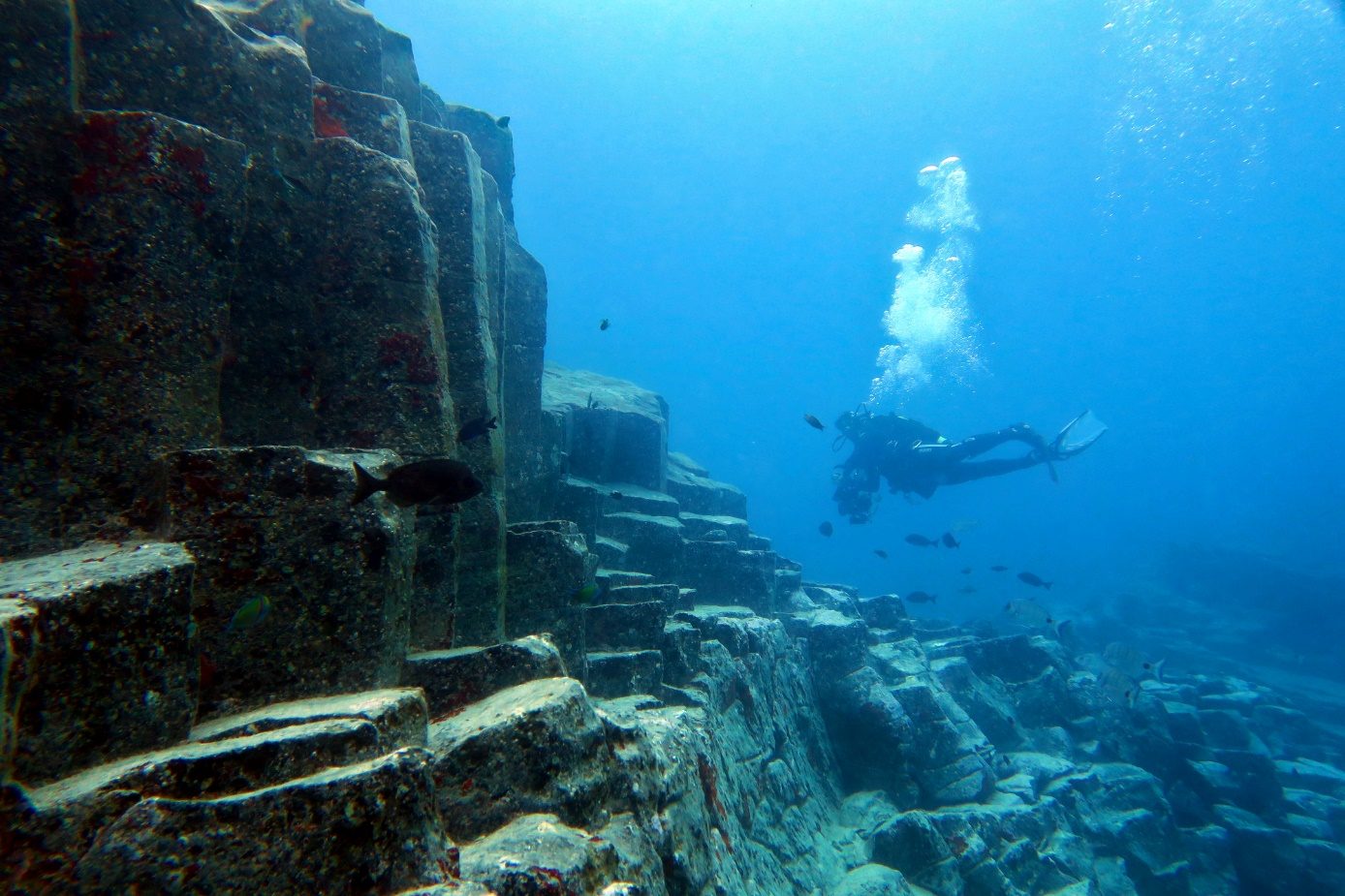
The El Condesito wreck sits upright at 28 meters off Radazul, its steel hull colonized by barracuda schools and moray eels since it sank during a 1979 storm. The site draws advanced divers for its penetrable cargo holds and the Atlantic manta rays that patrol the sand channel to the north. Southwest of Los Cristianos, the Las Eras reef system extends across 400 meters of volcanic substrate between 12 and 22 meters depth. Finger corals and black coral colonies anchor the main plateau, while green turtles forage in the Posidonia seagrass beds that fringe the eastern drop-off. Shore access requires a rocky scramble from the Playa de Las Vistas parking area, but the short swim rewards divers with consistent marine life density and minimal current. The western coastline between Playa San Juan and Punta de Teno offers wall diving along basalt cliffs that plunge to 40 meters. Lava tubes and overhangs shelter angelfish, grouper, and octopus, though the exposed position makes this zone prone to swell. Boat operators stage from Puerto de Santiago when wave height stays below one meter. Seasonal upwelling between July and September brings nutrient-rich water that attracts larger pelagics—amberjack, tuna, and occasional whale sharks—but reduces visibility to 12–15 meters. Northern sites near Punta del Hidalgo feature underwater caves formed by historic lava flows into the Atlantic. The Cueva del Agua system extends 60 meters inland at a depth of 18 meters, with natural light illuminating the main chamber during midday hours. Entry requires navigation through a narrow lava arch, restricting access to divers with cavern certification. The surrounding basalt plateau hosts dense populations of trumpet fish and damselfish year-round. Coastal access points remain open throughout the year, though winter swells between December and February frequently close exposed western and northern sites. The southern and eastern coasts maintain diveable conditions on 320-plus days annually, making Palm Mar, Radazul, and Las Galletas the island's most reliable launch zones for both shore and boat diving.
“The El Condesito wreck sits upright at 28 meters, its cargo holds now home to barracuda schools and the Atlantic manta rays that patrol the northern sand channel.”
Optimal Daily Windows for Visiting Tenerife Dive Sites
The best arrival window for diving in Tenerife is 08:00–12:00. During these hours, divers experience higher visibility and calmer water conditions before afternoon winds increase.
Winter (Dec–Feb)
Moderate18–22°C, variable swells
Spring (Mar–May)
Low to moderate20–23°C, stable conditions
Summer (Jun–Aug)
High23–26°C, frequent calm mornings
Autumn (Sep–Nov)
Moderate22–25°C, mild sea temperatures
Verdict: For optimal conditions, plan your dives between 08:00–12:00 during the months of April, May, October, or November.
Access Costs and Fees for Tenerife Dive Sites
All dive sites located along the coastline of Tenerife are situated in public waters. Consequently, there are no entrance fees required to access these locations.
Popular Tenerife Dive Sites and Underwater Features
Tenerife offers diverse volcanic underwater terrain ranging from shallow coastal bays to deep wreck sites. These locations provide varied habitats for Atlantic marine life along the island coastline.
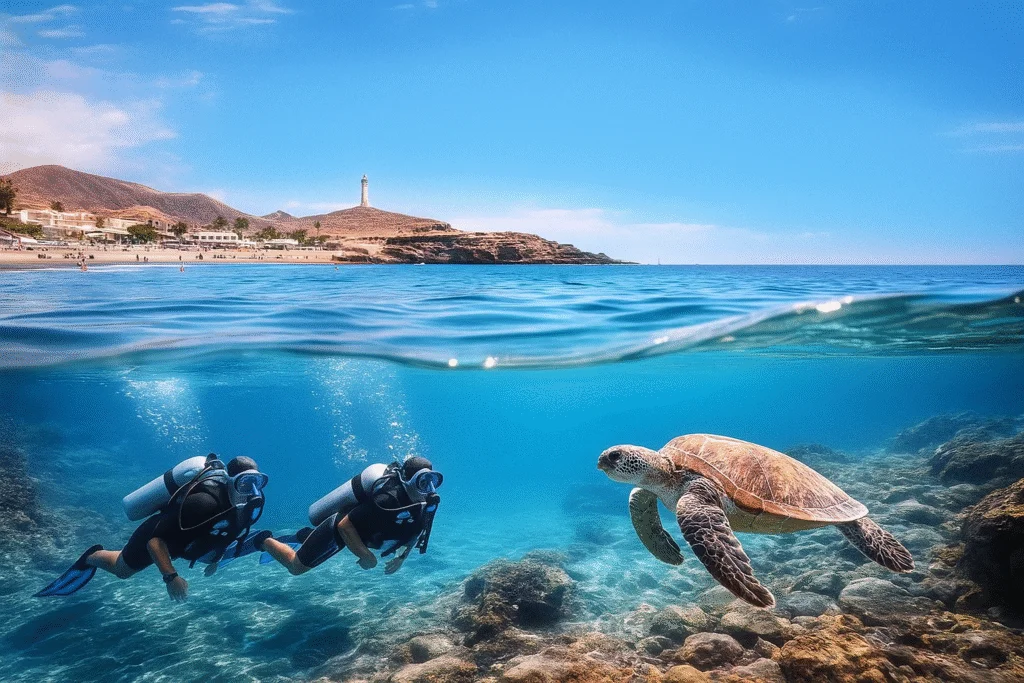
Radazul
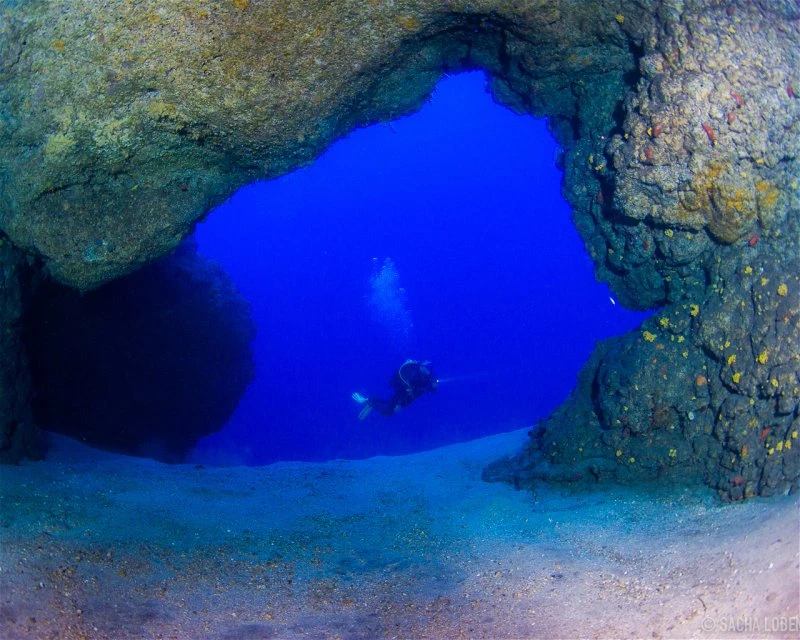
This site features a complex network of volcanic reefs and crevices hosting diverse fish populations. It is recognized for its calm conditions and accessible shore entry.
Dive near the harbor wall to spot rays and garden eels.
Abades
Located in the south, this bay provides a shallow, sandy bottom ideal for training and calm observation. The volcanic rock formations extend into deeper water where larger marine species gather.
Explore the rocky perimeter to find octopuses hidden in crevices.
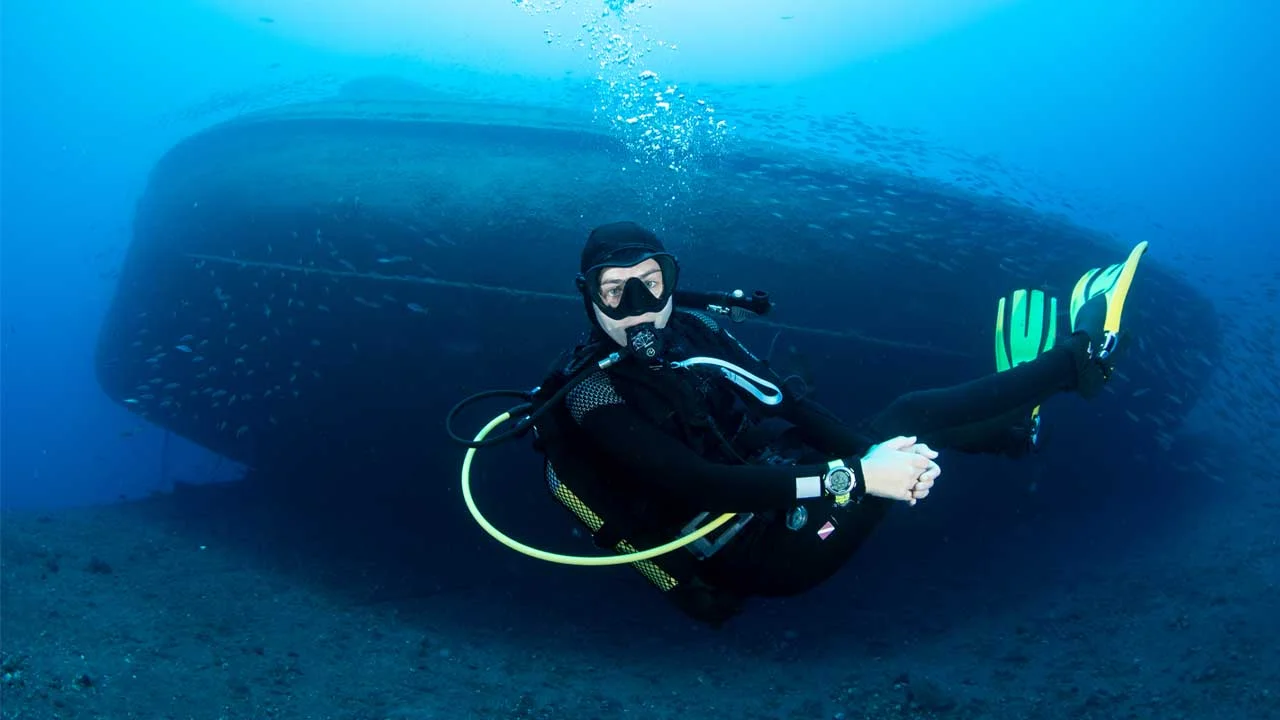
Tabaiba
The primary attraction here is the El Peñón wreck, an artificial reef sitting at a depth of approximately 30 meters. The wreck structure attracts various schooling fish and occasionally larger predators.
Approach the wreck bow to observe resident grouper populations.
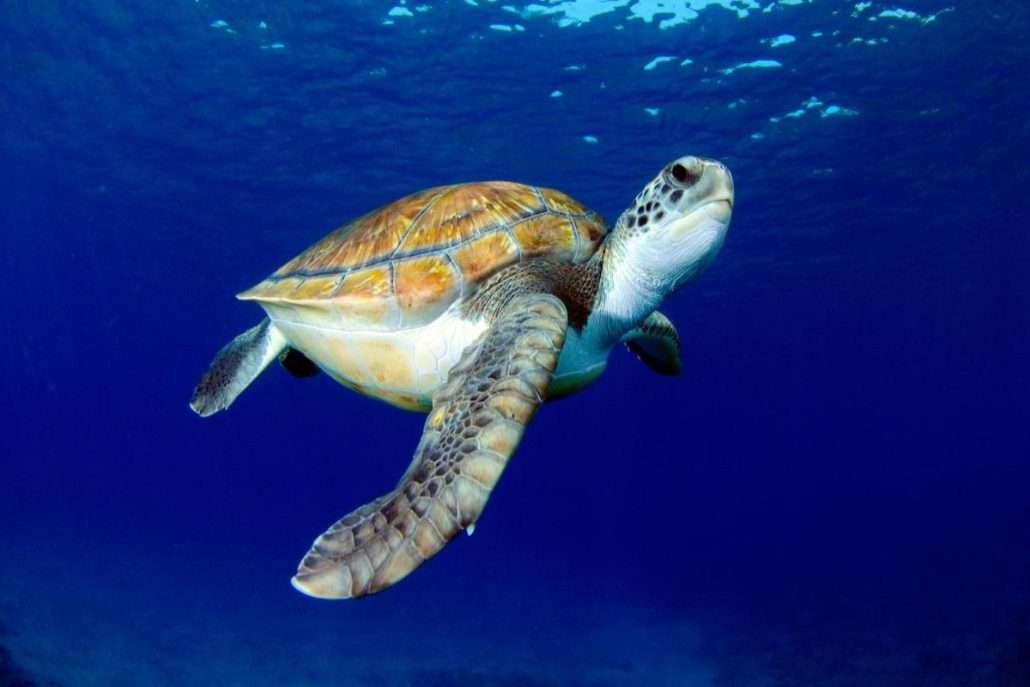
La Caleta
This area is characterized by rocky bottoms and frequent sightings of green sea turtles in their natural habitat. The topography consists of volcanic channels and plateaus.
Keep a slow pace near the sandy patches to see turtles.
Preparation Checklist for Diving Tenerife Dive Sites
Shore diving in Tenerife requires proper certification, adequate gear, and awareness of local marine conditions.
-
Carry your diving certification card — Dive operators and authorities may request verification of your credentials
-
Pack or arrange rental of full dive gear — Shore sites lack on-site equipment facilities for most locations
-
Confirm diving insurance coverage — Medical evacuation and hyperbaric treatment costs can be significant
-
Check weather and sea conditions daily — Atlantic swells and wind can change site accessibility rapidly
-
Bring reef-safe sunscreen and surface marker buoy — Protect marine life and ensure visibility to boat traffic
-
Download offline maps of dive entry points — Mobile signal can be weak along remote coastal access roads
-
Arrange transportation to specific sites — Public transit does not serve most shore dive locations
Safety and Environmental Conduct at Tenerife Dive Sites
Tenerife's waters are part of a protected marine reserve where buoyancy control and minimal-impact diving protocols preserve vulnerable ecosystems and ensure safe shore-diving conditions.
Do
- Maintain neutral buoyancy to avoid touching coral or substrate
- Secure all equipment before entry to prevent dropped items
- Use designated entry and exit points at shore dive sites
- Keep distance from marine life; observe without contact
- Report any entanglement hazards or abandoned gear to operators
- Check local conditions and current forecasts before each dive
Don't
- Touch, stand on, or collect any coral, rocks, or marine organisms
- Feed fish or interfere with natural behavior patterns
- Dive alone; always use the buddy system
- Exceed your certification limits or planned depth profiles
- Anchor or drag equipment across the seabed
- Leave any trash, weights, or gear fragments underwater
Check availability
Frequently asked questions about tenerife dive sites
Everything you need to know about tenerife dive sites